
Brands on Substack: A Reality Check from a Brand Builder
On community building, trust economy and visual content that enhances your story

Issue #02 from a brand builder, storyteller and a human, genuinely excited to be chatting all things creativity, branding in 2026 creators ecosystem and finding your own voice.
I've been watching brands tiptoe onto Substack for the past year, and honestly? Most of them are doing it wrong.
Not because they lack good intentions. Not because their content is terrible. But because they fundamentally misunderstand what this platform demands.
As someone who’s spent years building brands and consulting some who actually are starting to show up on Substack, I’m watching this collision happen in real time. And it’s fascinating - in the way watching someone confidently walk toward a glass door is fascinating.
So let’s talk about what nobody’s saying about brands on Substack in 2026.
Stop Treating This Like Every Other Platform
Here’s what I keep seeing: brands show up with the same playbook they use everywhere else. Content calendars. KPIs. “Engagement strategies.” Three-month campaigns with clear conversion funnels.
And then they wonder why nothing’s working.
Substack doesn’t reward that approach. It punishes it.
The algorithm shifted in 2025 to prioritise discovery over familiarity. Your Notes feed isn’t just showing you people you follow - it’s actively surfacing new voices. That’s good news if you understand what it means.
It means you can't fake your way through this.
On Instagram, you could post pretty pictures and rack up followers. On LinkedIn, you could repost motivational quotes and look like a thought leader. On Substack? People are choosing to read 1,500 words from you. That requires actual substance.
Here’s what actually works:
Show up on Notes daily.
Not posting and disappearing. Actually engaging. 20-30 minutes of genuine participation beats three hours of “content creation.”
Build bridges to other platforms.
Your Substack doesn’t grow in isolation. Tease your thinking on LinkedIn. Share process on Instagram. Create multiple entry points.Collaborate instead of competing.
The brands seeing real traction are partnering with other Substack creators, doing guest posts, building relationships. Community over conquest.Embrace visual storytelling.
One in three Notes now includes visuals. But not stock photos. Not overly produced brand content. Real images that feel like they came from a human who gives a shit.
If you're still thinking "we'll post weekly and grow organically," you're already behind.
There’s Room for Brands - if you’re actually interesting
Let me be clear on my take: there is space for brands on Substack.
But only if you’re willing to show up as more than a marketing department with a logo.
This platform rewards:
Genuine expertise, not marketing speak
Long-term thinking, not quarterly wins
Community building, not audience extraction
Perspective, not promotion
The brands succeeding here understand they’re not optimizing another channel. They’re building trust through content people actually choose to engage with.
You should launch a brand Substack if:
Your founder or a key team member has a perspective worth reading
You have editorial talent who can write actual essays, not blog posts disguised as thought leadership
You’re ready to participate like a real community member - reading, commenting, restacking
You understand this takes 12-18 months minimum
You should invest in partnerships instead if:
You need immediate ROI
Your main goal is driving traffic to your site
You don’t have the editorial resources for consistent quality
You’re “testing” before committing
Both work. But they’re completely different strategies with different expectations. Pick one.
The Smart Alternative Most Brands Miss
Before you launch your own Substack, consider this: partnerships with existing writers will probably get you better results faster.
Here’s the reality:
Writers already have engaged audiences who trust their taste
The content is authentic because it’s coming from someone who chose to work with you
You’re not grinding out weekly essays
Your budget stretches further
What actually works:
Sponsor content from 5-10 writers whose audiences match yours
Gift products to creators who genuinely love what you make (not transactional gifting - actual relationship building)
Build affiliate relationships with writers whose taste aligns with your brand
Do one-off sponsorships that don’t even require brand mentions
The smartest brands start with partnerships to learn what resonates, then launch their own Substack once they actually understand the ecosystem.
Quick one: if you’re getting value from this, hit the like button and drop your thoughts in the comments. I’m building this space for real conversations, not passive scrolling.
The Terms of Service Reality Check
Here’s what most brands don’t realise until it’s too late: Substack’s terms explicitly prohibit publications “whose primary purpose is to advertise external products or services.”
Read that again.
You can’t turn this into a sales funnel. You can’t make every post about driving traffic to your site. You can’t treat it like an email list you’re constantly pitching to.
The platform is built for:
Community building
Trust development
Long-term brand equity
Thought leadership
Not for:
Direct response marketing
Product launches
Traffic arbitrage
Conversion optimization
If you need trackable ROI and immediate conversions, spend that budget on paid ads, or even better - hire storytellers. They’ll work better for what you’re trying to do.
But if you’re playing the long game - building a brand people actually trust, creating content people want to engage with, establishing real expertise - Substack is one of the most powerful tools available.
Just don’t confuse the two strategies.
Stop With the Fake Personas
I need to call this out because I keep seeing it.
Brands launching with mysterious editorial voices. Carefully crafted personalities that sound like they emerged from a three-hour workshop where everyone threw out adjectives until something stuck. Every sentence working overtime to prove they’re quirky and relatable and definitely not corporate.
It reads exactly like what it is: manufactured.
On Substack, readers want to know who’s actually writing.
Not a brand persona. Not a committee-approved voice. A real person with a name and a perspective.
The fix is uncomfortable for most brands: Give someone creative freedom and put their name on it.
Hire someone who understands both your subject matter and the platform. Let them develop their voice within your brand world. Trust them to represent you through genuine expertise, not performative personality.
Or if your founder is interesting - let them write. Not as “Founder Sharing Founder Wisdom,” but as a human being with thoughts worth reading. The messy process. The messy in between. The personal details. The work-in-progress thinking.
That intimacy can’t be engineered. Stop trying.
What Good Actually Looks Like
The brands getting this right share common traits:
They’re publishers, not advertisers.
They understand they’re playing a different game. They invest in talented people and give them room to create genuinely valuable content.
They leverage real expertise.
Not marketing copy about products, but actual knowledge from people who built the brand. The designer talking about material choices. The founder sharing their creative process. Real expertise from real people with names.
They participate genuinely.
They read other writers. Comment thoughtfully. Restack content that resonates. They’re community members who happen to represent a brand, not brands infiltrating a community.
They practice restraint.
The brands I’m most interested in are the ones that already understand less is more. Elusive on social media. Selective about where they speak. Making Substack the place where they actually share their thinking - on their terms.
Think about luxury brands that rarely post. Design-focused companies that let their work do the talking. Founder-led brands where the person behind it has an actual worldview.
These brands have earned their mystery. Substack could be where they choose to reveal their process, their values, their perspective - without performing for the algorithm.
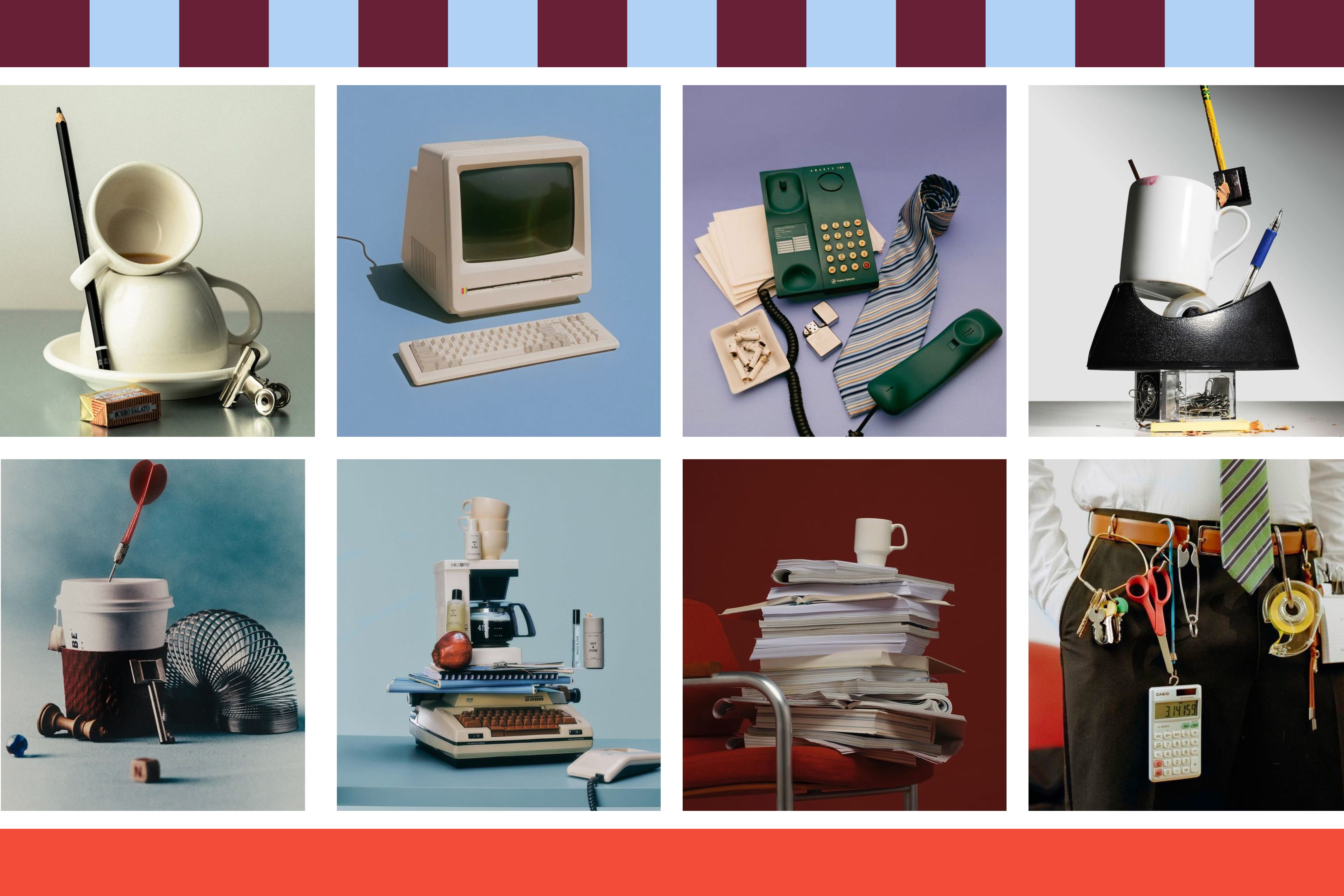
What Actually Works in 2026
If you’re still committed to launching a brand Substack, here’s what matters:
Your Welcome Email Is Your First Impression
It has the highest open rate of any email you’ll send. Most brands completely waste it.
Make it count:
Share your best work immediately
Direct people to a “start here” piece that establishes your perspective
Be clear about what they’ll get and when
Set expectations for everything that follows
Don’t send a generic “thanks for subscribing” email. That’s lazy.
Notes Are Your Growth Engine
Your weekly newsletter builds depth. Notes build your audience.
20 minutes daily. Write thoughtful Notes. Comment on others’ work. Restack what resonates. Be genuinely useful.
The algorithm rewards connection over metrics. It doesn’t care about likes. It cares whether your content makes someone feel something real enough to subscribe.
Visual Content Tells Your Story
Visual Notes get more traction. But here’s the key: authentic images beat polished brand photography.
You don’t need a photographer for every post. You need images that feel like they came from someone who cares about what they’re sharing.
This is where visual thinking matters. Not stock photos. Not over-produced content. Real images with intention, composition, restraint. The kind that make someone actually stop and look.
Live Sessions Create Real Connection
Going live sends notifications to your entire subscriber base. No algorithm deciding who sees it. Direct access.
Live workshops, Q&A sessions, process reveals - these create genuine connection that passive content never will.
Use this tool.
The Writing Has to Be Good
You don’t need to be a literary genius. But you need to understand the difference between writing and marketing copy.
Show, don’t tell. Trust your reader’s intelligence. Write for the most discerning person in your field, not the broadest possible audience.
Most brands fail here because they assign this to someone who writes email campaigns, not someone who understands narrative and voice.
There’s a massive difference. Readers know immediately.
The World-Building Mindset
Here’s what most brands miss entirely:
They approach Substack with the same mindset as every other platform. Strategy decks. Content calendars. Metrics to hit.
They’re completely missing what makes this work.
Substack succeeds because it gives space to think out loud. To build ideas across essays instead of collapsing everything into digestible chunks. To develop perspective over time instead of optimizing each piece in isolation.
The brands that thrive here understand they’re building worlds, not broadcasting messages.
I’m interested in brands that already create coherent worlds. Brands with aesthetic philosophies that go beyond product. Companies where the founder or creative team has a distinct way of seeing.
Brands that understand what to leave out. That trust their audience to connect the dots. That know restraint is more powerful than explanation.
That’s rare. And it’s exactly what this platform rewards.
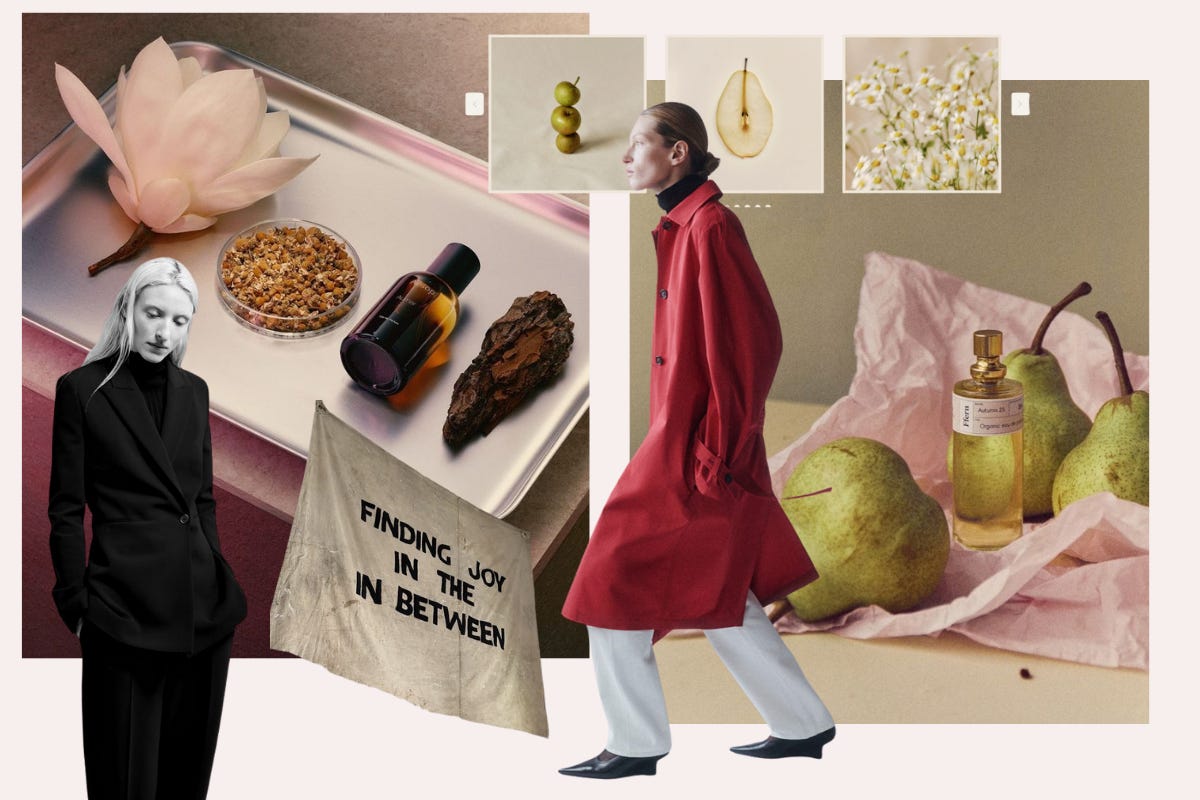
The Brands I Actually Want to See Here
Let me show you what I mean by world-building.
Ffern
This is the one that made me write this entire piece. Their entire brand is built on slowness, seasonality, scarcity. One fragrance released per season. No bottles sitting on shelves. Their Instagram feels like poetry - long captions about the creative process, the botanicals, the philosophy behind seasonal living.
They’ve already cracked the code on long-form, slow consumption of luxury. Their branding feels like Substack energy before they even got here. Imagine essays on olfactory memory. The decision to work with seasons instead of against them. Why they chose to build scarcity into their model when everyone else is scaling. The kind of writing that makes you slow down and actually think.
If any brand understands that luxury is about attention, not just price point, it’s Ffern. They should be here.
The Row
Elusive. Tasteful. Rarely speaks publicly. Imagine if Substack became the one place Mary-Kate and Ashley Olsen pulled back the curtain. Not product drops. Essays on why they choose certain fabrics. The philosophy behind quiet luxury. What they say no to and why. That restraint, that selectivity - it would translate perfectly here.
Aesop
Their retail spaces are temples to thoughtful design. Their product descriptions read like poetry. But where’s the essay about how they think about scent memory? The creative process behind their typographic system? The cultural references that inform each new line? This brand has a distinct intellectual point of view. Substack could be where they articulate it.
A.P.C.
Jean Touitou has opinions. Strong ones. About fashion, about retail, about what good design actually means. But we mostly see this filtered through interviews. Give him a Substack. Let him write about what he’s observing in culture, why certain pieces stay in the collection for decades, how he thinks about timelessness in a trend-driven industry.
Kinfolk (the original vision)
The magazine built a visual language that defined an entire aesthetic movement. Now imagine that translated to Substack. Not the magazine content repurposed, but the editors and creatives behind it sharing what they’re paying attention to, how they curate, why certain images resonate. The thinking behind the aesthetic.
Sunspel
160+ years of making basics. The same t-shirt for decades. Imagine essays on the philosophy of making one thing exceptionally well. The resistance to trend cycles. Why they haven’t changed their T-shirt pattern since 1947. That kind of conviction is rare and worth reading about.
Totême
Scandinavian minimalism with an actual point of view. Essays on capsule wardrobes, the psychology of uniform dressing, why they photograph their campaigns in specific ways. Elin Kling has built a brand with clear visual and philosophical codes. Let her articulate them.
What these brands share:
Clear aesthetic and intellectual POV
Restraint (they don’t say much, which makes what they say matter more)
A world that extends beyond product
They understand luxury is about attention and intention, not just price
Founders or creative leaders with distinct perspectives
The kind of taste you can’t manufacture
They’re already practicing slow consumption in a fast world
These are brands that have earned their mystery. Substack could be where they choose to share their thinking - but only if they’re willing to actually write, not just assign it to their marketing team.
And here’s the thing: brands like Ffern are already halfway there. They understand long-form storytelling. They’ve built audiences who want to slow down and consume thoughtfully. The transition to Substack wouldn’t be a stretch - it would be a natural extension of what they’re already doing.
What’s Actually Possible Here
When brands commit to doing this right, the results are significant:
Community that translates to loyalty. Readers who engage with your Substack become your most devoted customers - not because you sold to them, but because you built trust over time.
Discovery beyond your bubble. The algorithm surfaces your content to people who’ve never heard of you. Brands are finding audiences they couldn’t reach through traditional channels.
A platform you own. Unlike Instagram or TikTok, you can export your subscriber list. You own the relationship. That’s increasingly valuable as other platforms lock you in.
Storytelling that builds brand depth. You can’t communicate your values in a 30-second reel. You can in a thoughtful essay people choose to read.
Collaboration opportunities. Partnerships with other creators open doors to audiences and projects that wouldn’t happen elsewhere.
The opportunity is real. But it requires actual commitment, not repurposing your Instagram strategy with longer captions.
So What Should You Actually Do?
If you’re considering Substack in 2026:
Start with partnerships if you’re testing. Find writers whose audiences match yours. Sponsor content. Build relationships. Learn what resonates. Lower risk, faster results.
If you launch, commit fully. Hire a real writer who understands editorial. Give them creative freedom. Show up on Notes daily. Participate genuinely. Plan for 12-18 months minimum.
Know what you’re optimising for. Trust-building, not sales. If you need immediate ROI, use paid ads. If you’re building long-term equity, Substack is powerful.
Don’t put everything on rented land. Export your list regularly. Own your content. Diversify across channels.
Be honest about what you have to say. This platform rewards genuine perspective, deep expertise, human connection. If you have that and you’re willing to share it consistently - you belong here.
Understand the visual language. This isn’t Instagram. Over-produced feels wrong. Personal, thoughtful, slightly imperfect works better. Think journal, not campaign.
I’m writing this because there is room for brands on Substack. Good brands. Brands with something to say. Brands that respect their audience enough to show up authentically.
But most brands aren’t ready for what that actually requires.
It takes patience. It takes skill. It takes being willing to be genuine in a space that values substance over polish.
The platform is growing. The audience is engaged. The tools are improving. There’s still space to build something meaningful.
But only if you show up right.
And most of you? You’re not showing up right.
So either fix it, or spend your budget somewhere else.
Bottom line
In 2026, brands on Substack won’t succeed by showing up with a content calendar - they’ll succeed by showing up with something worth saying.
Key takeaways:
Most brands aren’t ready for what Substack demands: genuine perspective, editorial commitment, and 12-18 months of patience.
Partnerships with existing Substack writers often deliver better results than launching your own branded account.
Substack’s terms prohibit using it as a sales funnel - this is a trust-building platform, not a conversion channel.
The brands that work here understand they’re publishers, not advertisers. They give real people creative freedom and put their names on it.
Visual content matters, but authentic images beat polished brand photography every time.
Notes are your growth engine - 20 minutes daily of genuine engagement outperforms hours of “content creation.”
World-building beats broadcasting. Brands like Ffern already understand this: slow, intentional, long-form consumption of something genuinely valuable.
If you need immediate ROI, spend your budget on paid ads, or hire the right storytellers. If you’re building long-term brand equity, Substack is one of the most powerful tools available.
My recommendations:
A section I want to dedicate to something I loved consuming - whether that’s a podcast, newsletter, article or a video. Anything goes.
And I would love to hear about yours!
Here’s mine:
An essay that shows founder-led done right: Dianna Cohen's "The Nervous System Reset That Changed My Life" - This is exactly what I mean when I say brands need to show how founders think, not just what they're building. Dianna founded Crown Affair, but this essay has nothing to do with haircare. It's about therapy, breaking old patterns through Brainspotting, and the kind of personal work that shapes how she shows up. You understand the brand better because you understand her. That's the whole point.
A brand doing it differently: Ffern Perfume - their entire approach to seasonal fragrances and long-form storytelling is a masterclass in building worlds, not just selling products. Study their Instagram, then imagine that energy on Substack.
A framework if you’re actually launching: Stop thinking about content calendars. Start thinking about what you genuinely want to say that has nothing to do with selling. If you can’t answer that, you’re not ready for Substack yet.
I’d love to hear from you:
Are you a brand considering Substack? What’s holding you back?
Are you already here? What’s actually working for you?
What brands would you love to see show up with something real to say?
Drop your thoughts in the comments. Let’s build something here.
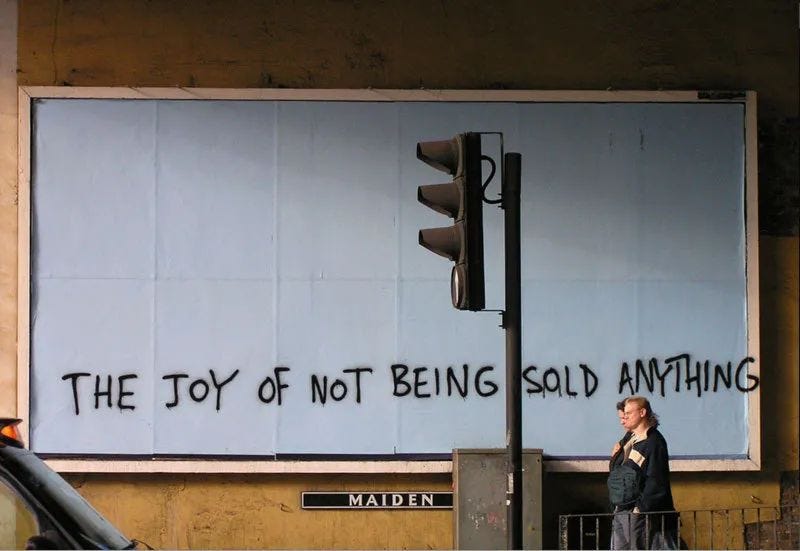
If this resonated, hit subscribe. I’m building a space for real conversations about branding, creativity, and finding your story and voice in 2026. No fluff. No generic advice. Just the observations that matter.